Google’s Tensor chip lags 25–30% behind Qualcomm & Apple flagships in raw GPU/CPU benchmarks. Furthermore, recording 4K/60fps video outdoors triggers aggressive thermal throttling and display dimming.
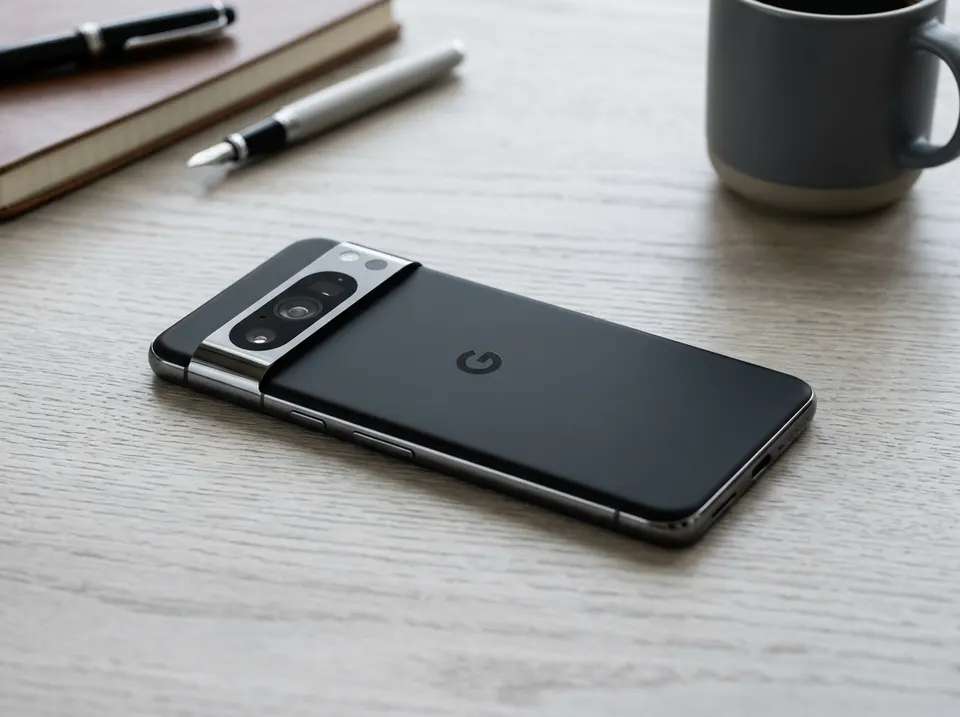
The Google Pixel 11 Pro (512GB, Obsidian) sits at the top of Google’s mobile lineup with a premium $1,199 price tag. Bundled on Amazon with a promotional $200 Amazon Gift Card, Google hopes to tempt buyers looking for class-leading computational camera features, 7 years of Android OS updates, and Gemini AI integration.
However, the downside first: benchmark deficiencies, heavy thermal throttling during 4K video recording, sluggish 30W charging speeds, and modem battery drain reveal significant hardware trade-offs.
1. The Tensor Benchmark Deficiency
While Apple and Samsung equip their $1,200 flagships with high-powered Apple A-series or Snapdragon 8-series processors, Google continues to use custom Tensor silicon.

- Benchmark Deficit: In Geekbench 6 multi-core and 3DMark Wild Life Extreme stress tests, Tensor chips lag 25% to 30% behind competing Snapdragon chips.
- Gaming Frame Drops: Playing demanding titles like Genshin Impact or Call of Duty: Warzone at maximum settings leads to noticeable stuttering and heat build-up within 15 minutes of gameplay.
2. Thermal Throttling & Screen Dimming
Because Tensor chips rely heavily on real-time NPU software processing for camera and AI features, heat dissipation is a persistent issue:
- Outdoor 4K/60fps Video Throttling: When shooting high-resolution video under direct sunlight, the internal chassis quickly heats up. To prevent hardware damage, the phone automatically dims the screen brightness by up to 40% and will eventually display a “Device Too Hot” warning.
- Warm In-Hand Feel: Routine tasks like using 5G GPS turn-by-turn navigation or fast wireless charging cause the phone back glass to feel uncomfortably warm.
3. Slow 30W Charging & Modem Drain
At $1,199, charging speeds remain a sore point compared to rival flagships:
- Mediocre 30W Charging: While competitors offer 45W to 80W ultra-fast charging, the Pixel 11 Pro takes over 75 minutes to reach 100% battery from empty.
- Inconsistent 5G Modem Efficiency: In areas with spotty 5G coverage, the cellular modem power draw spikes, draining the 5050 mAh battery much faster than on Wi-Fi.
4. Summary: Unbeatable Camera, Compromised Hardware
If your primary goal is taking incredible still photos, enjoying clean stock Android software, and using Google’s Gemini AI features, the Pixel 11 Pro is an extraordinary camera tool—especially when factoring in the $200 gift card bundle.
However, if you demand top-tier gaming benchmarks, rapid 65W+ charging, or heat-free 4K video recording, skip the Pixel 11 Pro and consider the Samsung Galaxy S26 Ultra or iPhone 17 Pro Max.
If your priority is keeping one phone for years rather than maximizing camera or benchmark performance, use our long-term phone ownership guide to compare Pixel’s seven-year software policy with battery replacement, repair access and total ownership cost. You can also read our Fairphone Gen 6+ downside review: its modular parts solve a different ownership problem, although the phone makes larger performance and camera compromises. For a more conventional IP68 Samsung alternative near the same price tier, compare the Galaxy S26 FE downsides, especially its 8GB RAM, familiar camera hardware and discount-dependent value.
Editorial disclosure: FlawCheck did not physically test this product. This research-based assessment uses published specifications and available independent or attributable owner evidence. Verify current pricing, policies, compatibility, and product revisions before purchase.