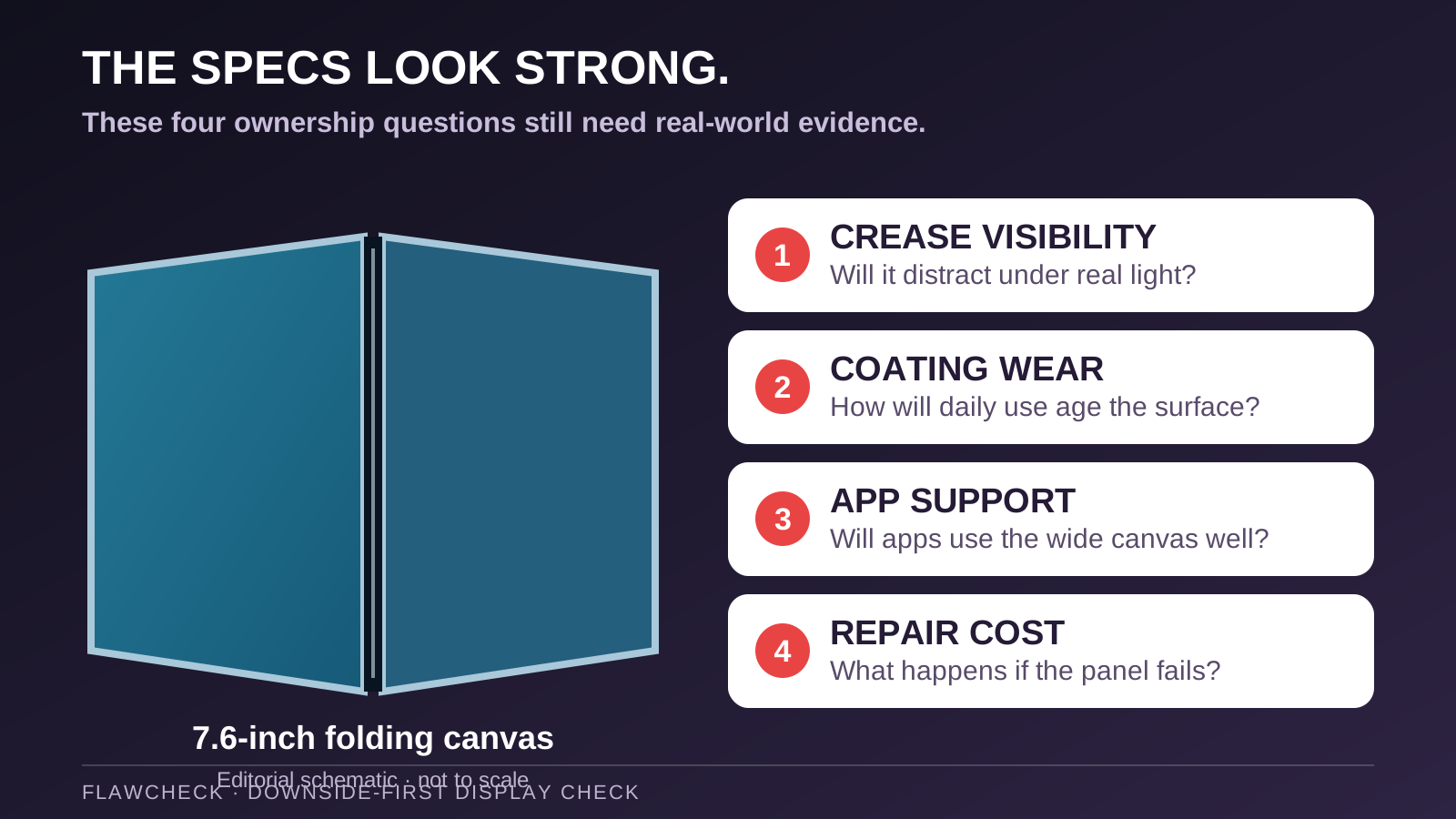
Don't Buy Apple iPhone Duo display If...
If any of these conditions apply to your use case, save your money or look at alternatives.
- Buyers who need proven long-term display durability
- Anyone expecting every app to use the inner screen well at launch
Evidence status — September 10, 2026: Apple has announced iPhone Duo, but preorders begin October 16 and availability begins October 23. The specifications below are confirmed; crease aging, abrasion, app behavior and repair outcomes are unknown until tested. This page is not scored.
The iPhone Duo’s 7.6-inch inner screen is its reason to exist—and its largest concentration of uncertainty.
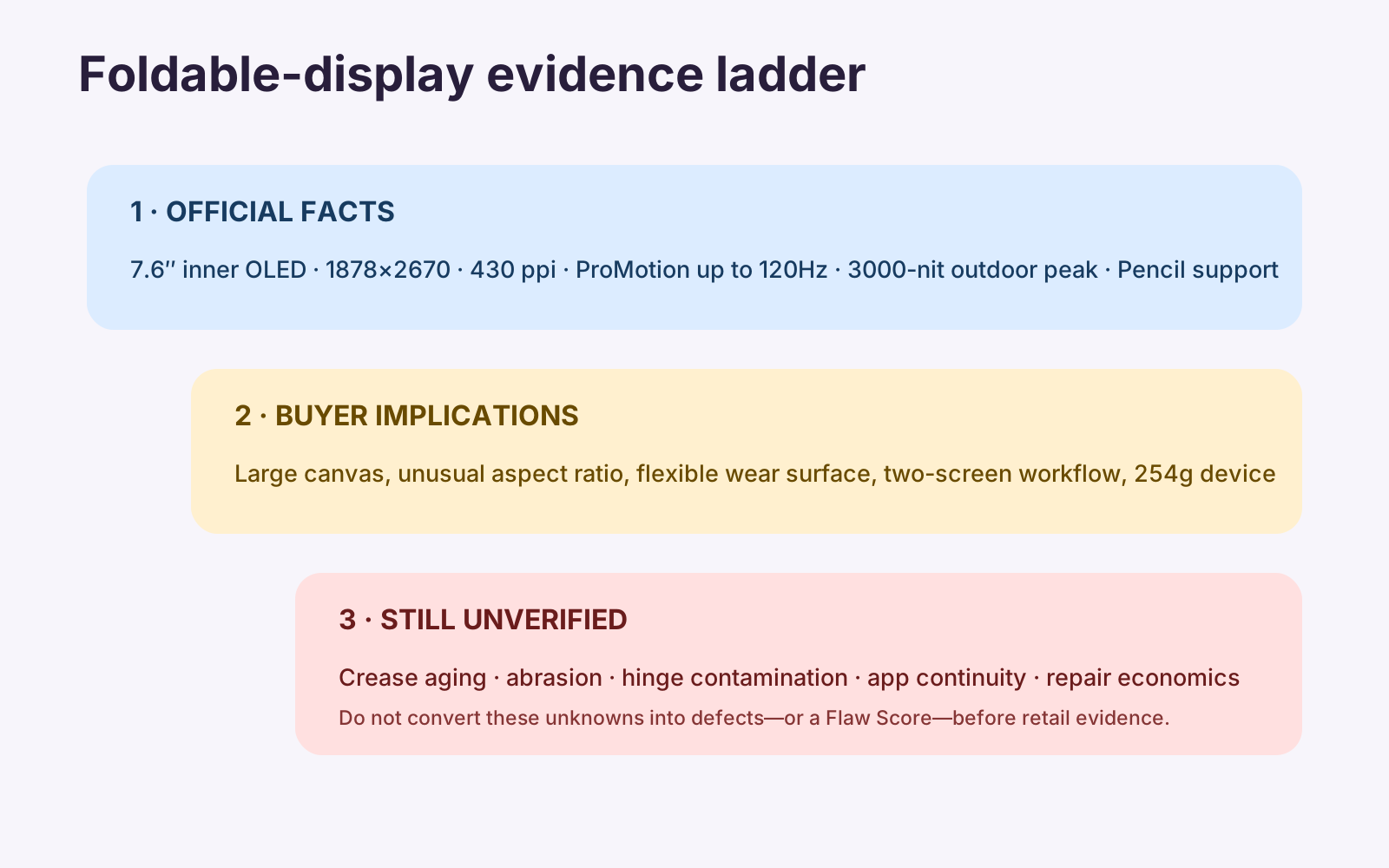
Apple confirms an OLED folding display, a 5.4-inch outer display, ProMotion up to 120Hz, high outdoor brightness and Apple Pencil support. Those are useful facts. They cannot tell a buyer what the crease looks like in side light after six months, how the surface handles daily abrasion, or whether a favorite app makes good use of the wide canvas. If its factory film later bubbles or lifts, the foldable screen-protector replacement guide shows which symptoms point beyond the protector to the display underneath.
What is confirmed
| Display fact | Official specification | What it does not prove |
|---|---|---|
| Inner panel | 7.6-inch OLED, 1878×2670, 430 ppi | Crease visibility or long-term uniformity |
| Outer panel | 5.4-inch OLED, 1398×2034, 460 ppi | Comfortable typing or one-handed reach |
| Refresh | ProMotion up to 120Hz on both | Battery cost in mixed-screen use |
| Outdoor peak | 3000 nits | Sustained brightness and heat behavior |
| Inner finish | Nano-texture treatment | Scratch, indentation or coating-wear resistance |
| Input | Apple Pencil (USB-C) support | Pressure-mark resistance during years of use |
| Chassis | 254g; 11.3mm folded | Whether prolonged reading and typing feel comfortable |
| Water resistance | IP68 under Apple’s test conditions | Dust behavior around a folding mechanism |
The last distinction matters. A water-ingress rating is not a universal durability guarantee, and it should not be silently translated into proof against pocket dust or hinge contamination.
Risk 1: crease visibility is an observation, not a launch claim
A crease can look different depending on viewing angle, background color, brightness and directional light. A straight-on showroom photograph is therefore weak evidence.
A useful test photographs and measures the same retail panel at several angles and brightness levels, then repeats the setup after controlled folding cycles and ordinary use. Until that exists, FlawCheck will label crease behavior unknown, not good or bad.
Risk 2: the inner surface is a wear surface
The folding panel must bend; its exposed surface therefore has different constraints from conventional phone cover glass. Apple describes its materials and finish, but long-term resistance to fingernails, grit, cleaning and point pressure requires time.
Apple Pencil support makes this especially important. The question is not whether Pencil works on day one. It is whether normal writing pressure, debris and repeated strokes leave visible or tactile changes.
Risk 3: the aspect ratio only helps when software adapts
A 7.6-inch diagonal does not guarantee tablet-class productivity. Apps may stretch phone layouts, leave unused space, move controls awkwardly or lose state while switching between displays.
Apple has published developer guidance for adaptive layouts, multiple displays and the Duo camera experience. That confirms developers have tools and work to do; it does not prove every third-party app is ready.
Risk 4: the outer screen may push owners to open the phone more often
The 5.4-inch outer display is compact. That can improve reach, but it can also make typing, maps and dense interfaces feel constrained. If owners open the inner screen for routine tasks, the practical cost is more two-handed use and potentially higher large-screen energy consumption.
Reviewers should measure task completion—not just screen-on time—across messaging, navigation, camera use, reading and document editing.
Risk 5: weight and folded thickness change the display experience
At 254g and 11.3mm folded, display usability cannot be separated from ergonomics. The inner panel might be excellent while the complete device becomes tiring to hold one-handed or awkward in a pocket.
A fair rival comparison should match tasks and duration. Published dimensions can establish geometry; only timed use can establish fatigue.
Risk 6: repair economics are part of display quality
For a $1,999 first-generation foldable, the screen is also a financial risk surface. Display and hinge service prices, AppleCare terms, exclusions, turnaround time and replacement policy can materially change the purchase decision.
Until Apple publishes complete service pricing and owners accumulate repair outcomes, a durability conclusion—or a Flaw Score—would be premature.
Comparison framework: previous iPhones and rival foldables
| Question | Conventional previous iPhone | iPhone Duo | Current flagship foldable rival |
|---|---|---|---|
| Main display bends | No | Yes | Usually yes |
| Two-display app continuity | Not applicable | Must be tested | Useful maturity baseline |
| Flexible-surface wear | Not applicable | Unknown before retail | Compare using matched age and use |
| Pencil/stylus surface pressure | Model-dependent | Supported on inner display | Compare only where officially supported |
| Repair exposure | Single-screen baseline | Official Duo pricing pending | Use current official local pricing |
| Ergonomics | Familiar slab baseline | 254g, 11.3mm folded | Compare measured weight, size and same tasks |
This framework avoids declaring a rival winner from unmatched spec sheets. The right flagship comparison uses official dimensions and features, then retail units on the same test protocol. Different launch dates, software versions and prior wear must be disclosed.
For a current product-by-product decision, read our iPhone Duo vs Galaxy Z Fold7 vs Pixel 11 Pro Fold comparison, which covers camera hardware, multitasking, ecosystem migration and who should switch.
Evidence gate before scoring
FlawCheck needs the following before publishing a display score:
- retail hardware with final software;
- crease observations under repeatable lighting;
- controlled abrasion and pressure methodology;
- mixed inner/outer-screen battery tests;
- an app set covering communication, video, maps, documents and games;
- official repair and coverage terms;
- human review and, for durability, evidence over time.
The broad iPhone Duo first-generation risk review covers hinge, battery, cameras, performance and ownership cost. This page stays narrower: it exists to track display-specific evidence without duplicating that overall buying guide.
If the folding screen is only one part of a broader replacement decision, use the iPhone 18 upgrade guide to check whether battery condition, storage or software support creates a real reason to buy now.
Bottom line
The Duo display is impressive on paper, but a foldable is judged by what happens between launch day and month twelve. Buyers who do not need the form factor immediately should wait for retail evidence on crease visibility, surface wear, app continuity and repair cost.
A buyer comparing the foldable display compromise with Apple’s conventional flagship should also read iPhone Duo vs iPhone 18 Pro Camera. Display durability and missing telephoto reach are separate ownership decisions; neither should be hidden inside the novelty of the fold.
For the longer ownership horizon, use our five-year foldable durability and repair-cost guide to separate fold-cycle marketing from inner-screen, protector, hinge, battery and insurance economics.
Sources and disclosure
Display size, resolution, pixel density, ProMotion, brightness, dimensions, weight, water resistance and Apple Pencil support were checked against Apple’s iPhone Duo technical specifications on September 10, 2026. App-adaptation needs were checked against Apple Developer. These primary sources establish features, not independent durability or usability outcomes. FlawCheck has no affiliate relationship or pre-release access for this analysis.
Technical Specifications
Verified manufacturer specifications.
- Inner display
- 7.6-inch OLED, 1878×2670, 430 ppi
- Outer display
- 5.4-inch OLED, 1398×2034, 460 ppi
- Refresh rate
- ProMotion up to 120Hz on both displays
- Weight
- 254g
Frequently Asked Questions
Direct answers to common buyer concerns and uncertainties.
Does iPhone Duo have a visible crease?
Apple's specifications do not quantify crease visibility. It must be inspected on retail units under varied light and after repeated use.
Is the flexible display already known to be fragile?
No. Before retail and long-term evidence, fragility is an open risk question rather than a confirmed defect.
Why is there no Flaw Score?
The product has not accumulated sufficient independent evidence or human review for display aging, hinge behavior, app continuity and repair economics.

Written by FlawCheck Editorial Desk
Editorial ResearchFlawCheck's editorial desk is responsible for source review, claim labeling, buyer-risk analysis, publication updates, and corrections. Current articles are research-based unless a documented hands-on method is explicitly provided.
Related Reviews and Buying Risks
View All Reviews →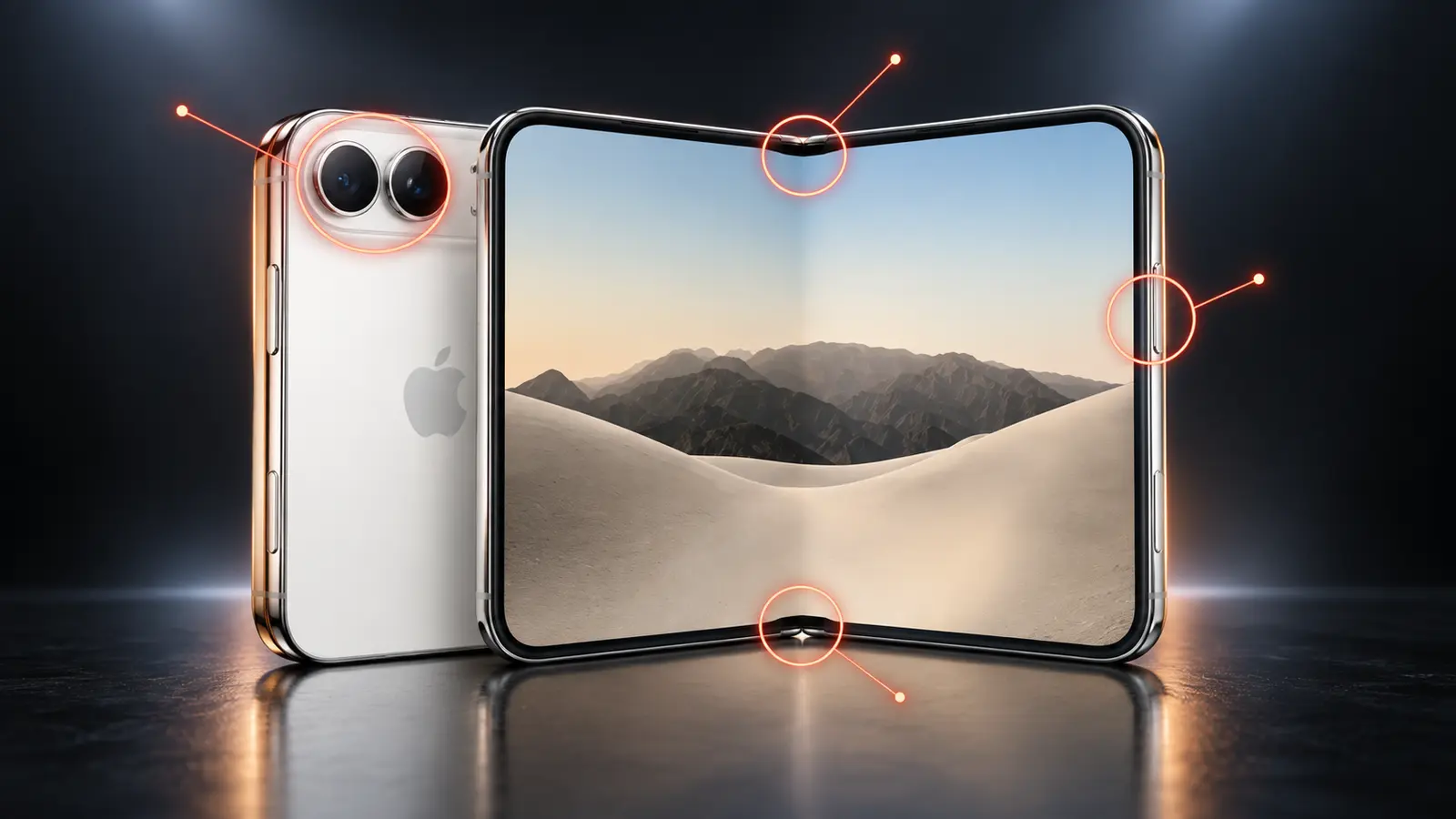
Apple iPhone Duo
"iPhone Duo is Apple's most ambitious iPhone redesign in years, but $1,999 is a high price to become an early adopter of Apple's first foldable. Wait for independent durability, battery, repair and app-continuity evidence unless the form factor itself is worth the uncertainty to you."
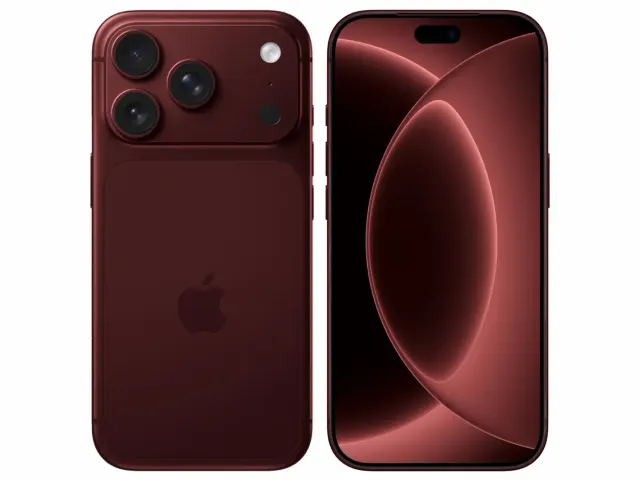
Apple iPhone 18 Pro
"The iPhone 18 Pro is now a confirmed $1,199 flagship with meaningful hardware changes, but launch specifications do not prove that those changes improve ownership enough to justify upgrading. Wait for independent battery, thermal, camera and C2 modem testing if your current phone still works well."
"Starts at $1,199 in the US"
Apple iPhone 18 Pro camera
"Variable aperture gives the iPhone 18 Pro another physical control, but an extra control is not automatically a better photograph. Buyers should wait for repeatable retail comparisons against iPhone 17 Pro and current flagships, especially in low light and video."
"Real-world benefit is not established by the specification"